
Charging systems for retail, hospitality, and mixed-use commercial properties.
Retail charging follows how customers move through a site and how long vehicles remain parked during a visit.
Short stops and longer stays lead to very different system requirements across the same property.
Retail charging is installed where customers leave their vehicles during a visit.
Each site is used differently, and charging needs to fit that use.
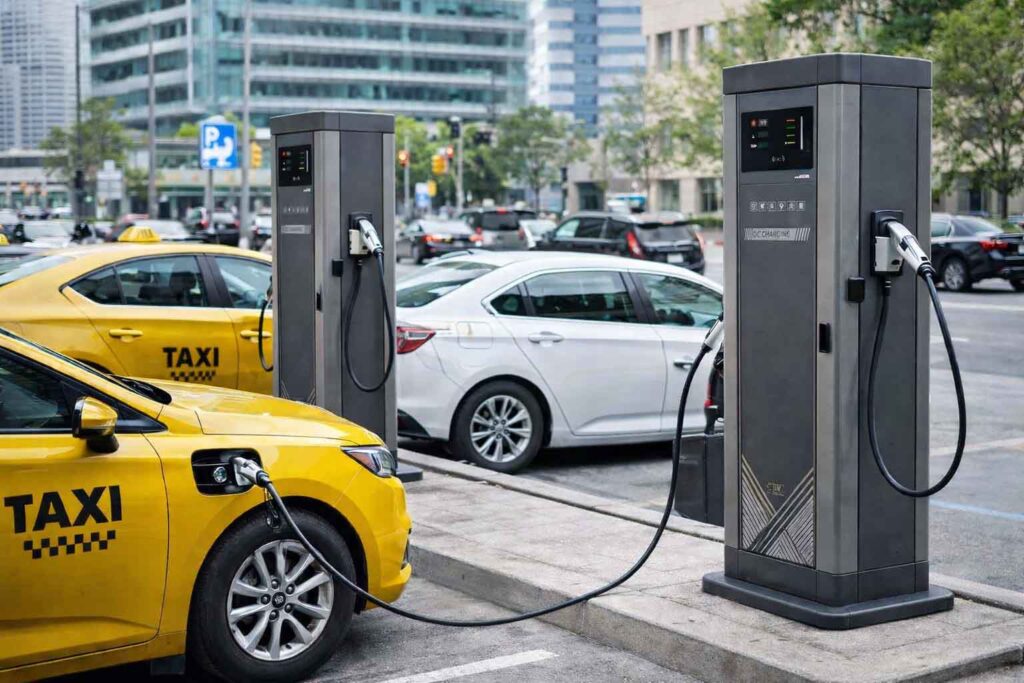
01.
Visitors usually stay for several hours while shopping or dining.
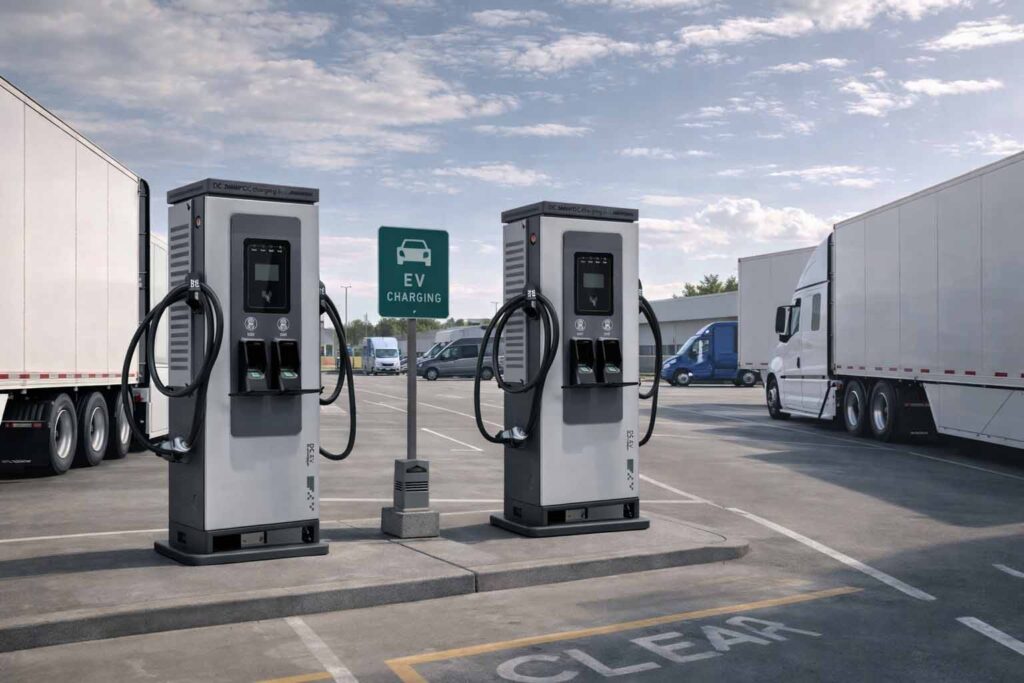
02.
Parking is brief, and vehicle turnover remains high throughout the day.
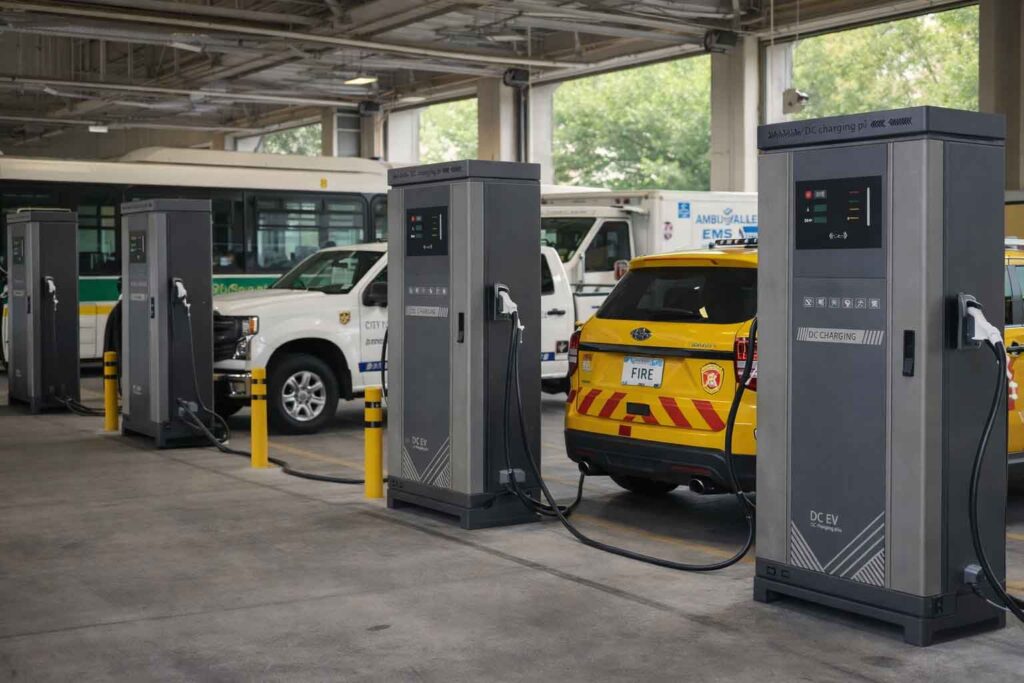
03.
Guest vehicles remain on site overnight or for extended periods.
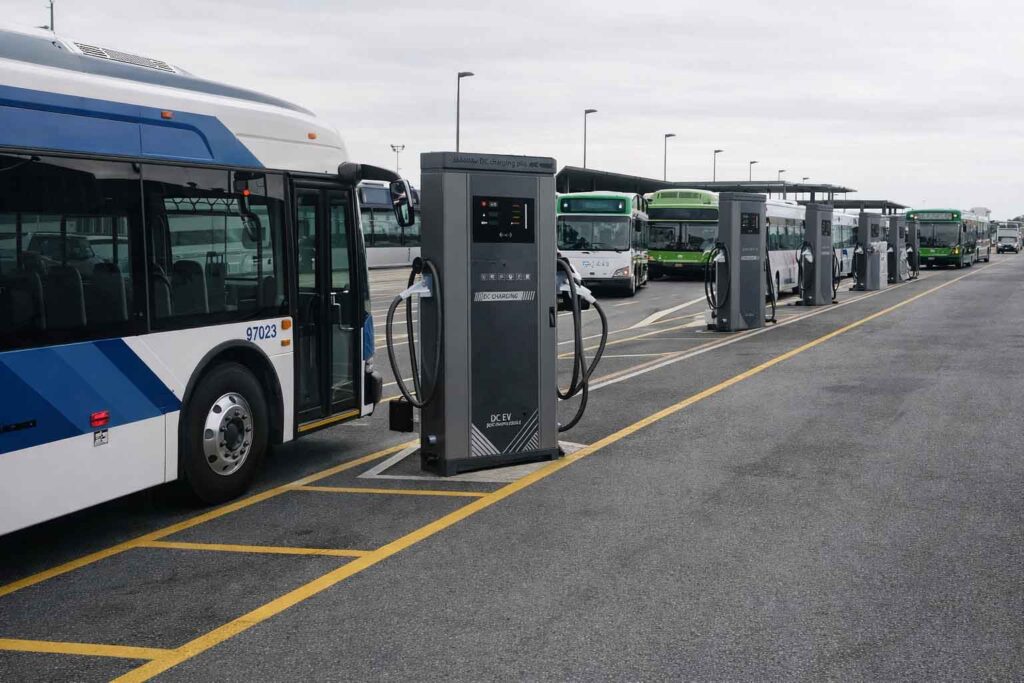
04.
Most visits are short, with frequent vehicle movement.
05.
Parking demand rises around events and drops outside those hours.
Retail sites operate very differently from depots or office parking.
Customer behavior, site power, and access rules all affect how charging can run day to day.
Some drivers stay for minutes, while others remain for several hours.
Chargers serve many vehicles throughout the day, often back to back.
Site power is shared with lighting, HVAC, and other building systems.
Charging must follow store policies and operating hours.
Usage needs to be balanced against operating costs.
Retail charging systems are planned around parking behavior, site visibility, and customer flow. → Technical system guides
Charging windows follow how long customers remain on site.
Energy is shared across multiple chargers within site limits.
Vehicle movement guides charger placement and access.
Charging access follows site rules and payment policies.
Retail charging relies on on-site equipment supported by centralized control tools.
Built to handle frequent use and open access across the site.
Keeps charging within available electrical capacity.
Shows charger status and session activity.
Controls who can charge and how sessions are recorded.
Retail charging depends on how long vehicles remain parked, how often spaces turn over, and how power is shared across the site.
Hotels and resorts with overnight or extended parking.
Shopping malls with multi-hour dwell time.
Supermarkets, cafés, and quick-service retail.
Retail charging systems change based on how long vehicles remain on site and how much electrical capacity the location can support.
Used where vehicles remain parked longer and site power is limited.
Applied where moderate dwell time requires faster energy delivery.
Chosen for short stays where vehicles need to charge quickly.
Retail charging projects often depend on details that are hard to judge from plans alone.
A short conversation can help outline the next technical step.

EV charger manufacturer for project based commercial AC & DC charging systems
© [2025] · All Rights Reserved · EV Charging Equipments