
Charging systems for apartment buildings and multi-unit residential properties.
Apartment charging follows how residents park, how long vehicles remain connected, and how power is shared across the building.
These conditions set the system limits long before any equipment is considered.
Apartment charging usually begins with how residents use the parking area and how long vehicles remain on site.
Parking layout and access rules often influence the system as much as available power.
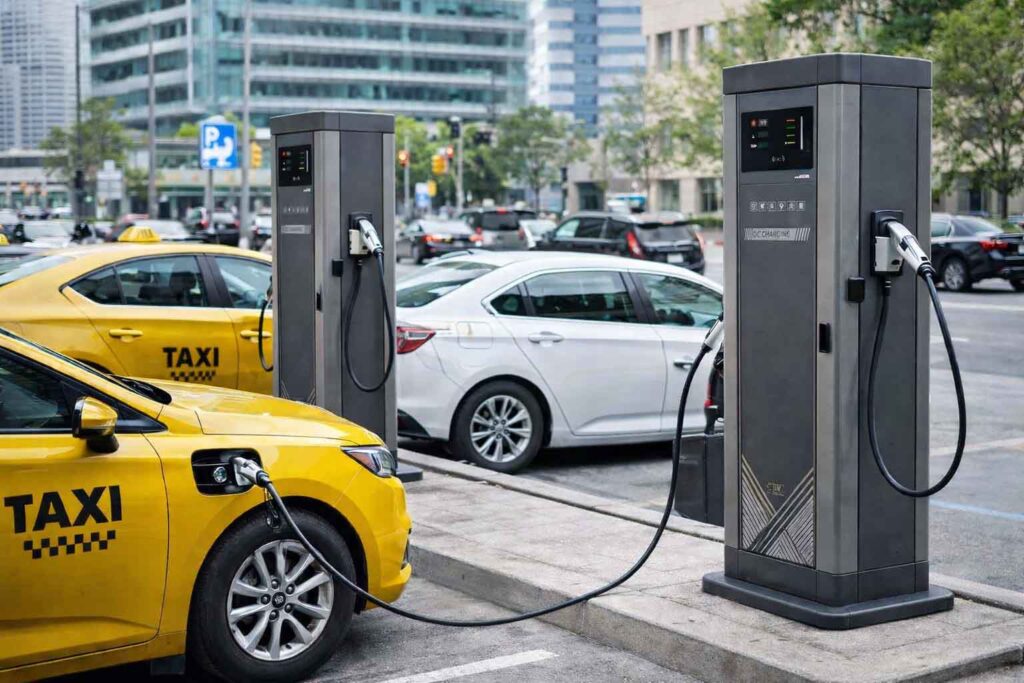
01.
Assigned spaces inside residential buildings.
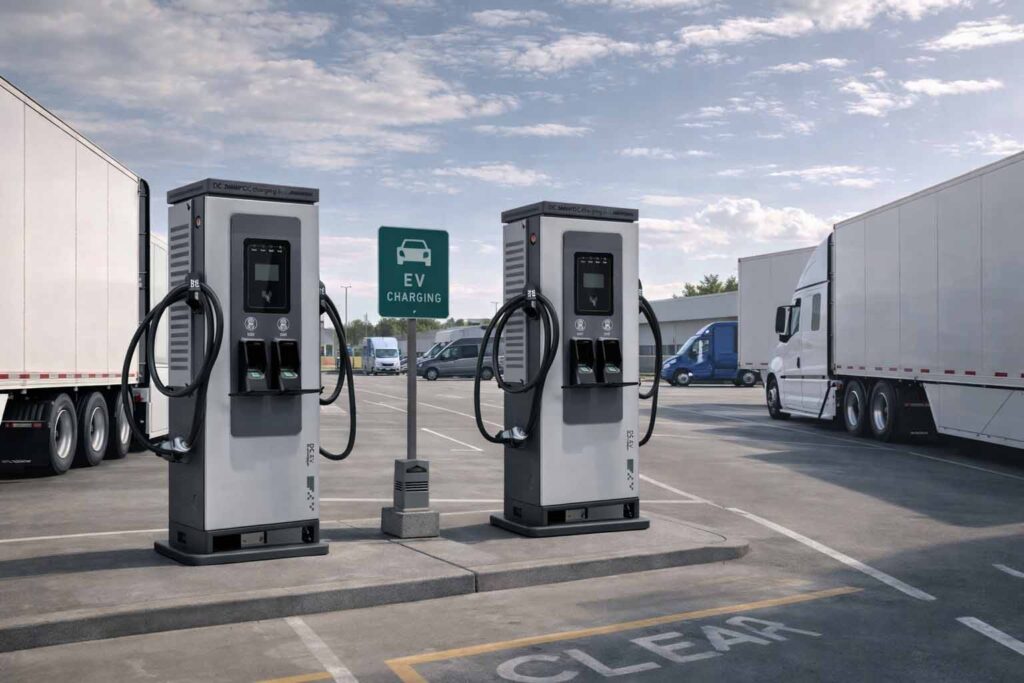
02.
Shared underground areas with limited access and ventilation.
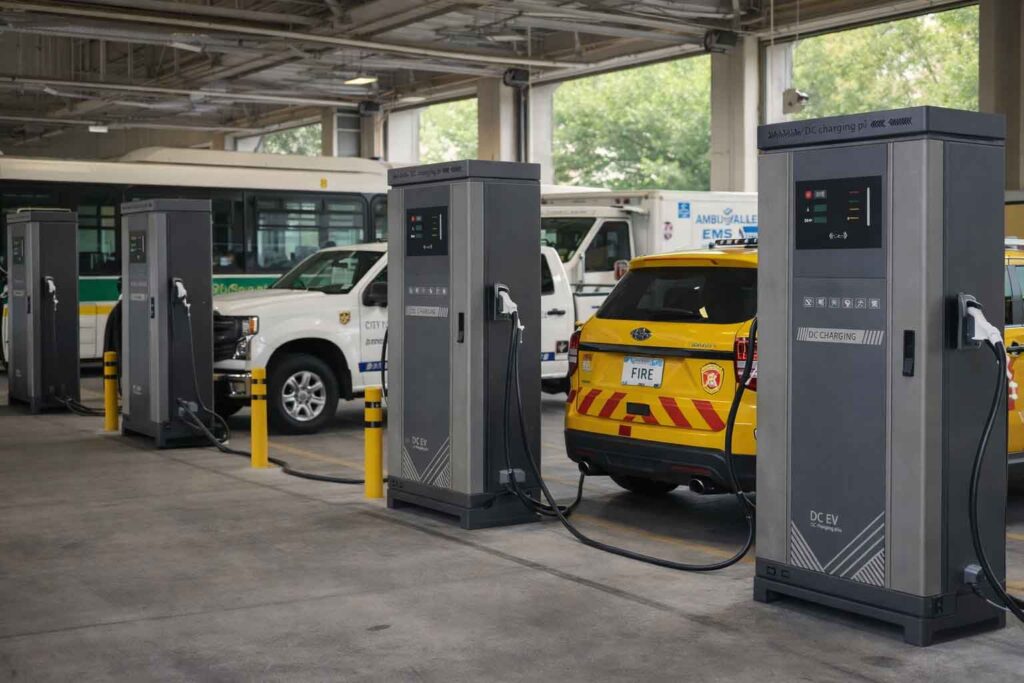
03.
Residential parking located above or below commercial floors.
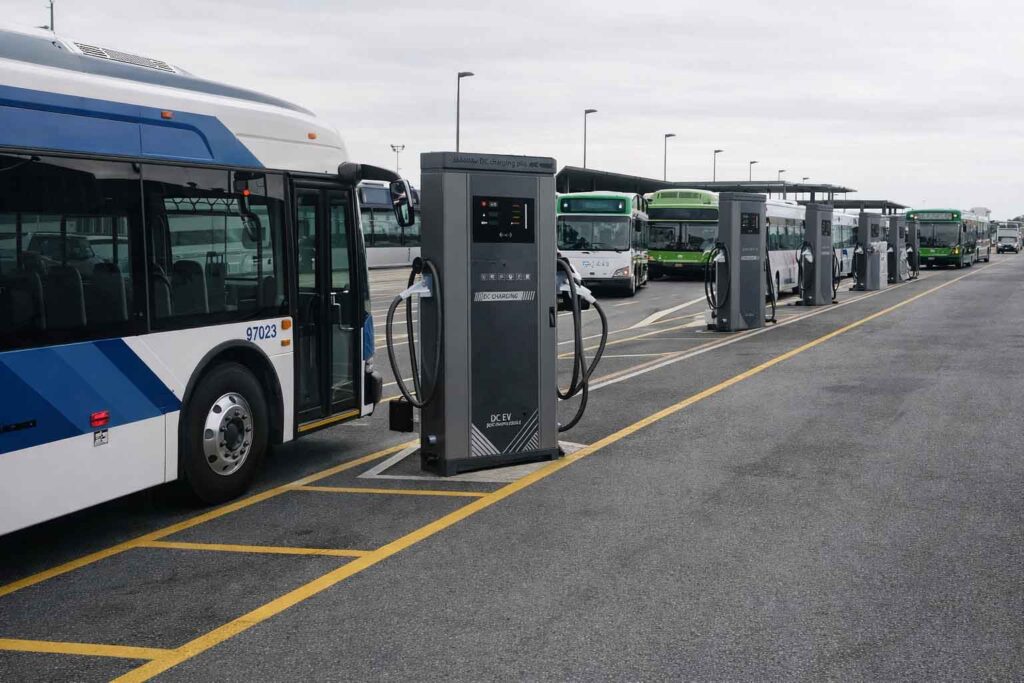
04.
Shared parking with frequent arrivals and departures.
05.
Vehicles remain parked for long periods with predictable use.
Apartment charging projects face limits that are rarely visible in drawings alone.
Shared power, resident access, and existing building layouts all affect what can be installed.
Many buildings were not designed to support multiple chargers at the same time.
Charging needs to be balanced so no single user draws more than others.
Cable routes and electrical upgrades are often restricted.
Residents need a clear way to start, stop, and pay for charging.
The system must support more vehicles as adoption grows.
Apartment charging starts with how residents use the parking area and how much power the building can provide. → Technical system guides
Charging is coordinated so building limits are not exceeded.
Available capacity is shared across multiple parking spaces.
Wiring follows existing building pathways and safety rules.
Residents connect through assigned or shared access rules.
Apartment charging combines fixed building hardware with a shared control layer that manages access and power.
Installed in shared or assigned parking areas.
Balances charging across the building’s electrical capacity.
Shows system status and charging activity.
Manages user access, sessions, and billing.
Apartment charging setups change with resident density, parking arrangements, and available building power.
These factors influence how the system is arranged across the site.
Dedicated chargers linked to specific parking spaces.
Multiple residents use a common set of chargers.
Installed in existing buildings with limited electrical capacity.
Apartment charging systems vary with parking time and available building power.
Used where vehicles remain connected overnight and limited site power.
Applied where many residents share a limited electrical supply.
Used where chargers are coordinated across the building.
Apartment charging projects often involve building limits that are difficult to assess without a site review.
A short discussion can help outline the next technical step.

EV charger manufacturer for project based commercial AC & DC charging systems
© [2025] · All Rights Reserved · EV Charging Equipments