
Centralized charging systems for commercial fleets and logistics operations.
Route schedules, vehicle downtime, and depot power limits shape fleet charging projects.
System design starts with how vehicles return, how long they stay, and how energy is managed on site.
Fleet charging is deployed at fixed locations where vehicles return on a regular schedule.
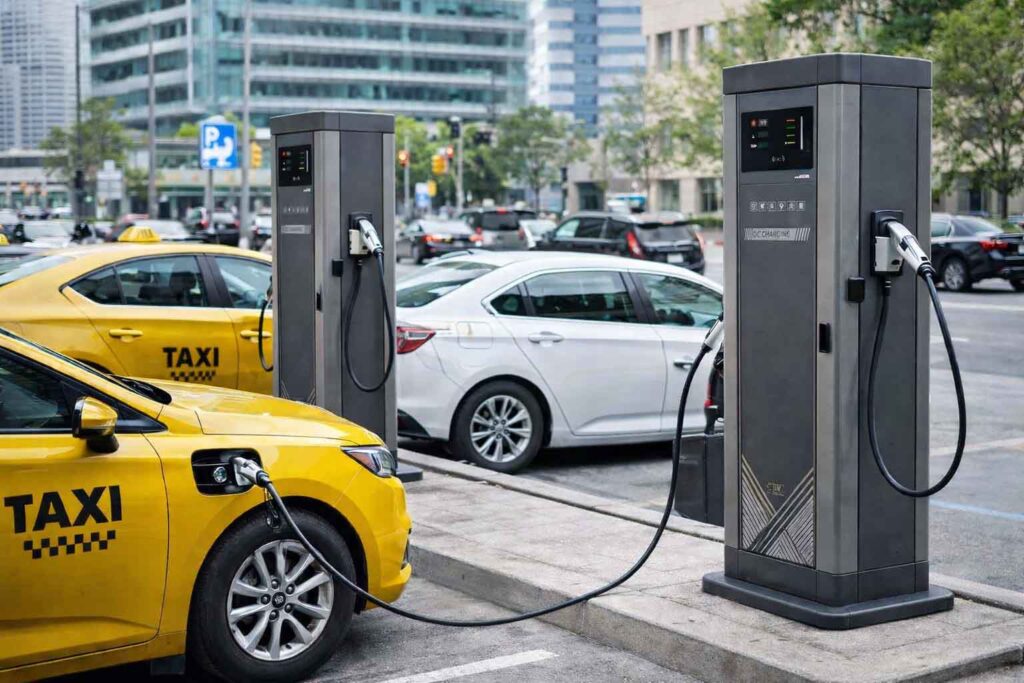
01.
Daily routes begin and end at the same site.
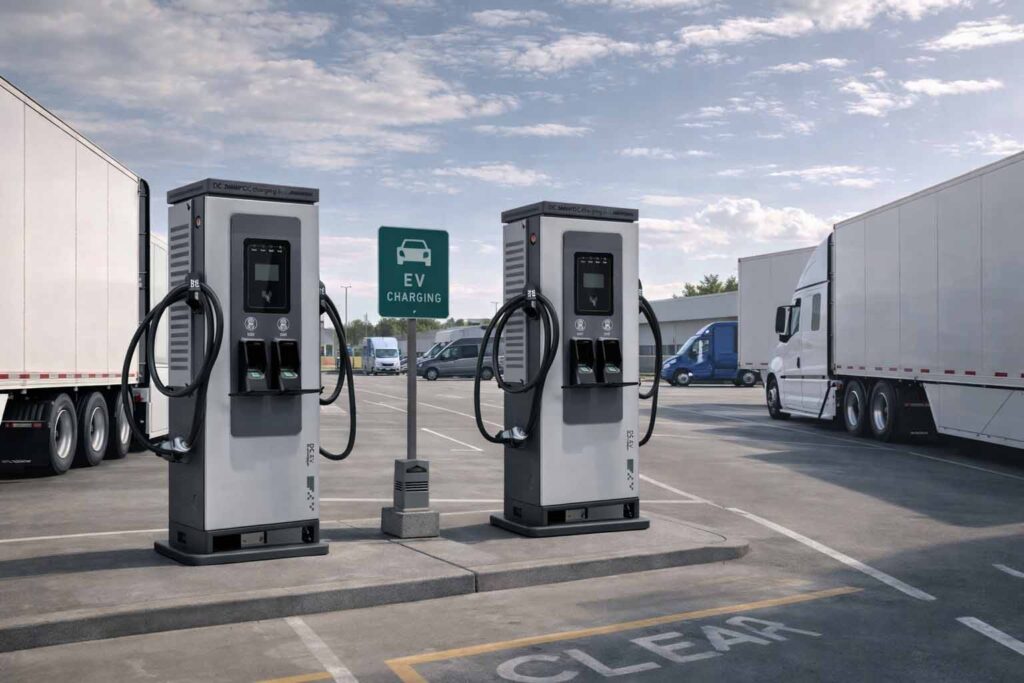
02.
Vehicles operate between regional hubs and distribution points.
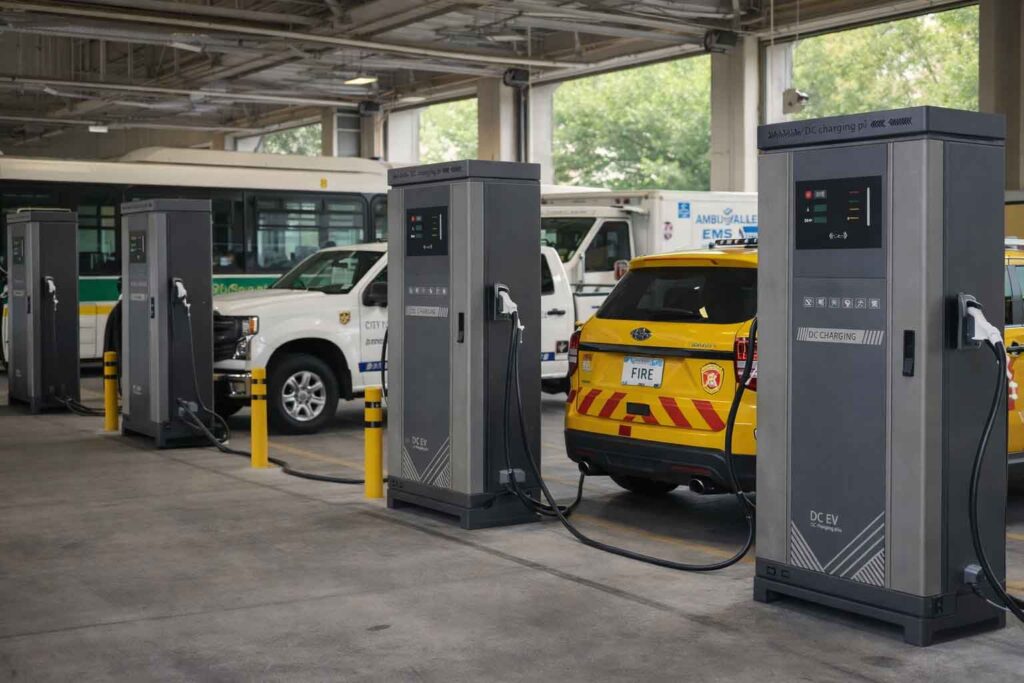
03.
Fleet vehicles follow fixed timetables and service windows.
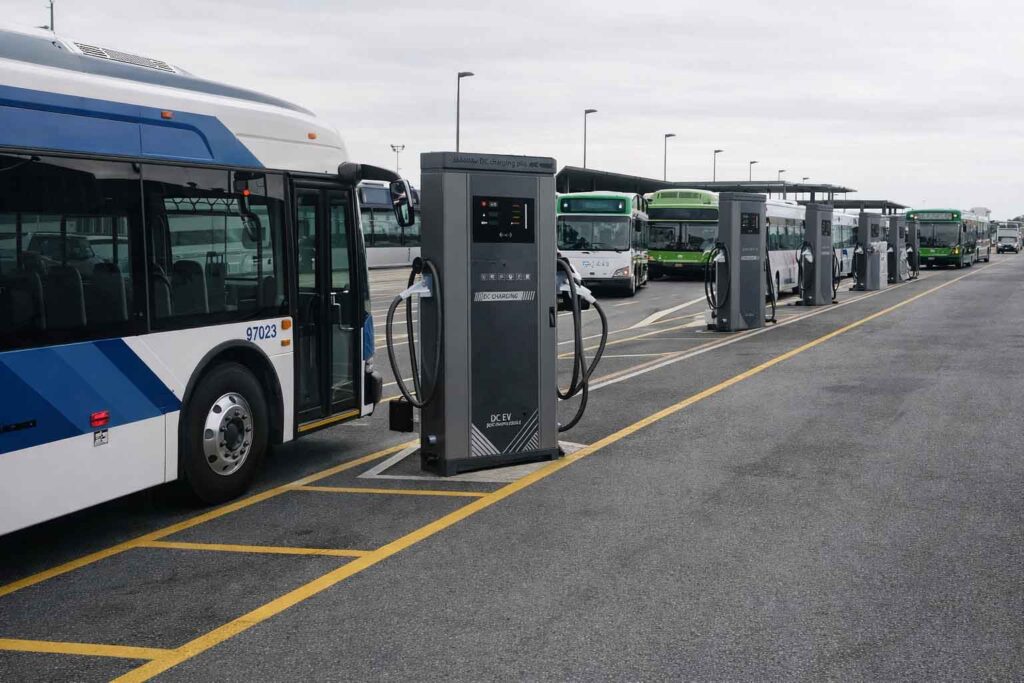
04.
High vehicle turnover with scheduled loading and unloading.
05.
Short transfer routes with frequent returns to base.
Vehicles return on fixed routes and need to be charged within limited time windows.
Simultaneous charging can exceed site capacity without coordinated control.
Charging must not reduce fleet uptime or delay dispatch.
Layout and traffic flow limit where chargers can be installed.
Power usage needs to follow operating hours and utility tariffs.
Fleet charging systems are built around how vehicles move and return to base.
Design decisions follow operating cycles before any hardware is selected. → Technical system guides
Routes and return times are planned in advance. Charging windows follow shift schedules and turnaround needs.
Several vehicles may charge at the same time. Load control is needed to stay within site capacity.
Vehicle movement determines how space is organized. Charging areas need to fit within existing depot workflows.
Charging activity needs to be visible across the fleet. Remote access helps track system status and usage.
Fleet charging systems combine power hardware with centralized control and monitoring.
DC charging stations for fleet operations
Designed for continuous use in depot environments.
Smart load management
Coordinates charging to stay within site power limits.
OCPP-based remote monitoring
Provides visibility across chargers and vehicles.
Fleet energy analytics
Tracks usage, downtime, and energy trends.
Fleet charging systems follow operational schedules, vehicle availability, and depot workflows.
Vehicles return at the end of each shift and remain parked for extended periods.
Vehicles rotate through the depot several times a day between routes.
On-site conditions add time and complexity
Fleet charging is defined by how vehicles return, how long they stay, and how sites manage power.
Fleet charging projects depend on site conditions that cannot be judged from specifications alone.
A short discussion can help define a realistic next step.

EV charger manufacturer for project based commercial AC & DC charging systems
© [2025] · All Rights Reserved · EV Charging Equipments